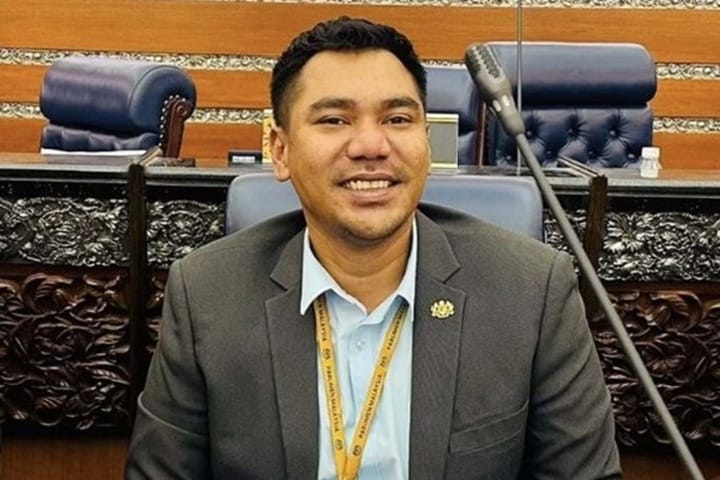

BAU, SARAWAK (9 September 2025) – The proposed redelineation of Bau District has sparked significant concern among local communities, with Mas Gading MP Mordi Bimol calling for a comprehensive review of the changes, citing a lack of public engagement, potential disruption to public services, and erosion of local heritage.
In a statement, Mordi emphasized that any redelineation exercise must prioritize the interests and voices of the people, be executed thoughtfully, and not disregard the deep-rooted cultural and historical identity of Bau.
“Redelineation should not be done on paper alone. It must involve open and inclusive consultations with the local residents, community leaders, traditional heads, NGOs, and stakeholders across all levels,” said Mordi.
Public Confusion and Frustration
The issue came to light after residents, especially those in the Singai area, voiced discontent over the realignment process, which allegedly occurred without proper consultation. Many were surprised to learn of the changes only after a meeting with community leaders on 17 August 2025, despite the Administrative Areas Ordinance (Amendment) 2022 having been gazetted on 15 March 2022.
A series of village-level briefings took place from 22 to 31 August 2025, but many residents remained dissatisfied and concerned.
Of the 15 affected villages, only Mikaguon and Badul remain fully under Bau District. Villages such as Apar, Tabong, Sudoh, and Atas are now split between Bau and Kuching, while nine other villages — including Segong, Barieng, Tanjong Bowang, Tanjong Poting, Senibung, Daun Ngori, Daun, Bobak Sajong, and Bobak Sejinjang — have been completely moved into Kuching District.
Mordi noted that such changes not only cause confusion and inconvenience but also threaten the social fabric and identity of the Bau community, long known for its cultural richness, particularly among the Bidayuh people.
“Bau is more than just a geographical boundary. It holds generations of heritage and identity that must be preserved. Any move that disregards this is deeply unjust,” he said.
Clarifying Misconceptions
Mordi also addressed public confusion regarding the role of the Department of Statistics Malaysia (DOSM). He clarified that the redelineation is entirely under the jurisdiction of the Sarawak State Government, specifically the Majlis Mesyuarat Kerajaan Negeri Sarawak, as per the Administrative Areas Ordinance, and has no connection with DOSM.
“The decision to remove these villages from Bau could severely affect community unity and limit access to vital public services such as schools, clinics, police stations, and infrastructure,” he warned.
A Call for Transparency and Rethink
Mordi demanded greater transparency from the state authorities regarding the rationale, implementation, and real-life implications of the redelineation.
He called for the status quo to be maintained, urging authorities to reconsider the decision in the best interest of the people, administrative efficiency, and the preservation of local dignity.
Redelineation Statewide
The redelineation of Bau is part of a broader exercise across Sarawak. Before 2022, Sarawak had 40 districts. The 2022 amendment increased the number to 45, with several districts undergoing boundary adjustments — including Kuching–Bau–Lundu, Matu–Dalat–Mukah, Julau–Pakan, Song–Kapit, and Beluru–Subis. Additionally, five new districts were created: Gedong, Siburan, Sebuyau, Pantu, and Lingga.
Unity and Constructive Engagement Urged
As Member of Parliament for Mas Gading, Mordi reiterated his commitment to protecting the welfare of the people and ensuring that government decisions do not lead to division or hardship.
“I urge all parties to remain calm, united, and continue to engage constructively for the betterment of our community,” he concluded.
